


The Vedanta Society of Toronto is currently on Winter break and will reopen on March 25, 2026. The Ashram is open for devotees ONLY for Aratrikam every evening from 5:30 to 7:00 PM.
Newsletter
June, 2026
a
:Upcoming Events:


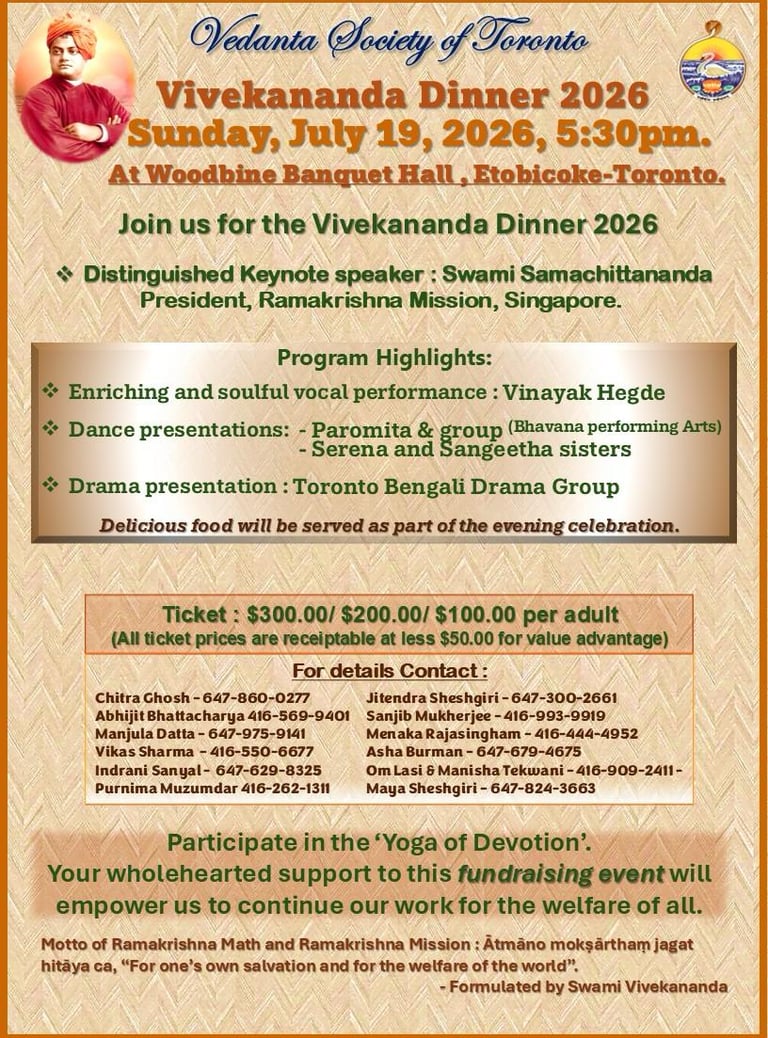
Sunday, Jul.19th, 2026
Vivekananda Dinner
05:30 PM ET
a
Wednesday, Jul. 29th, 2026
Guru Purnima
06:30 PM ET
a
:Our Inspiration:
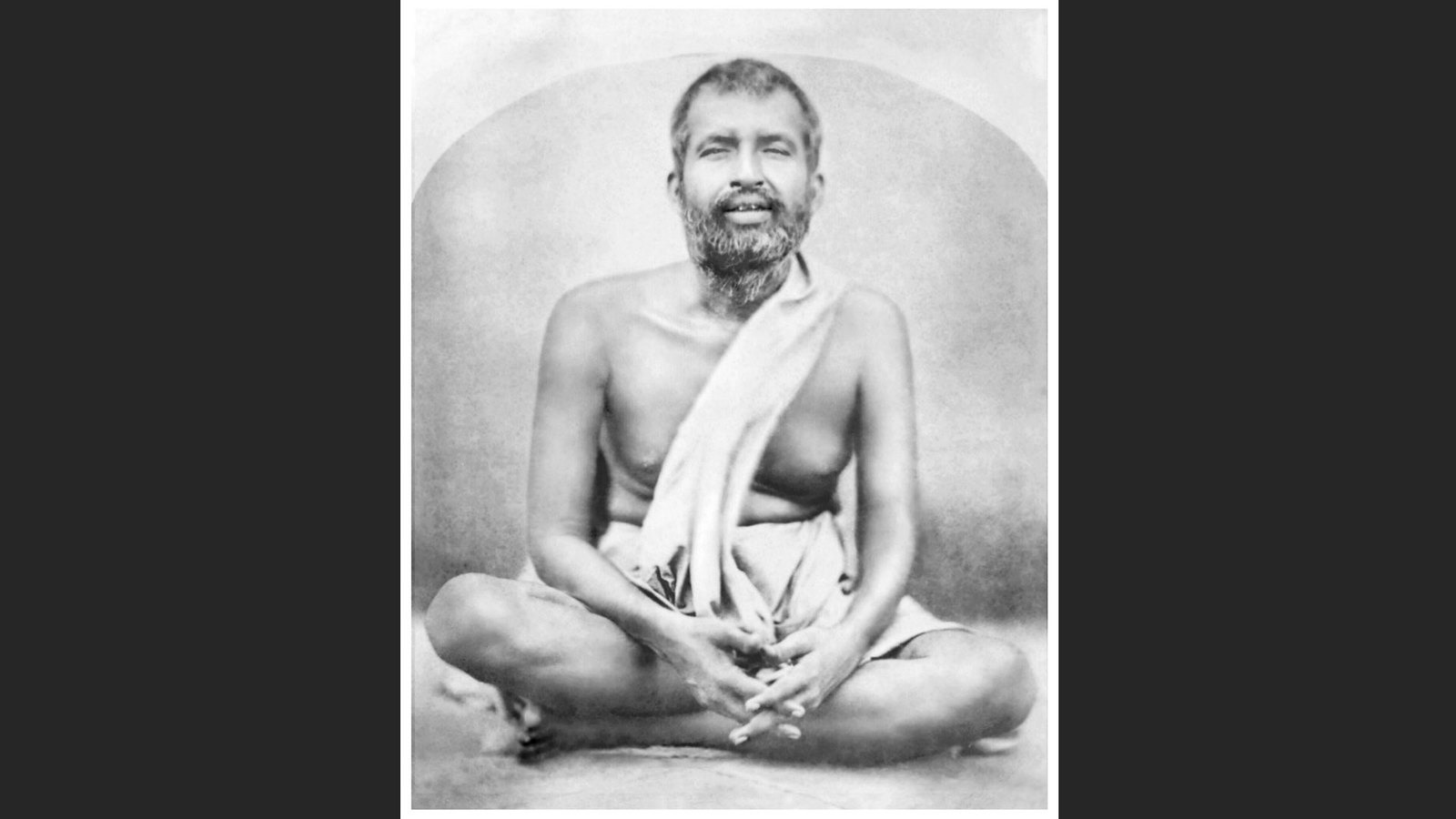
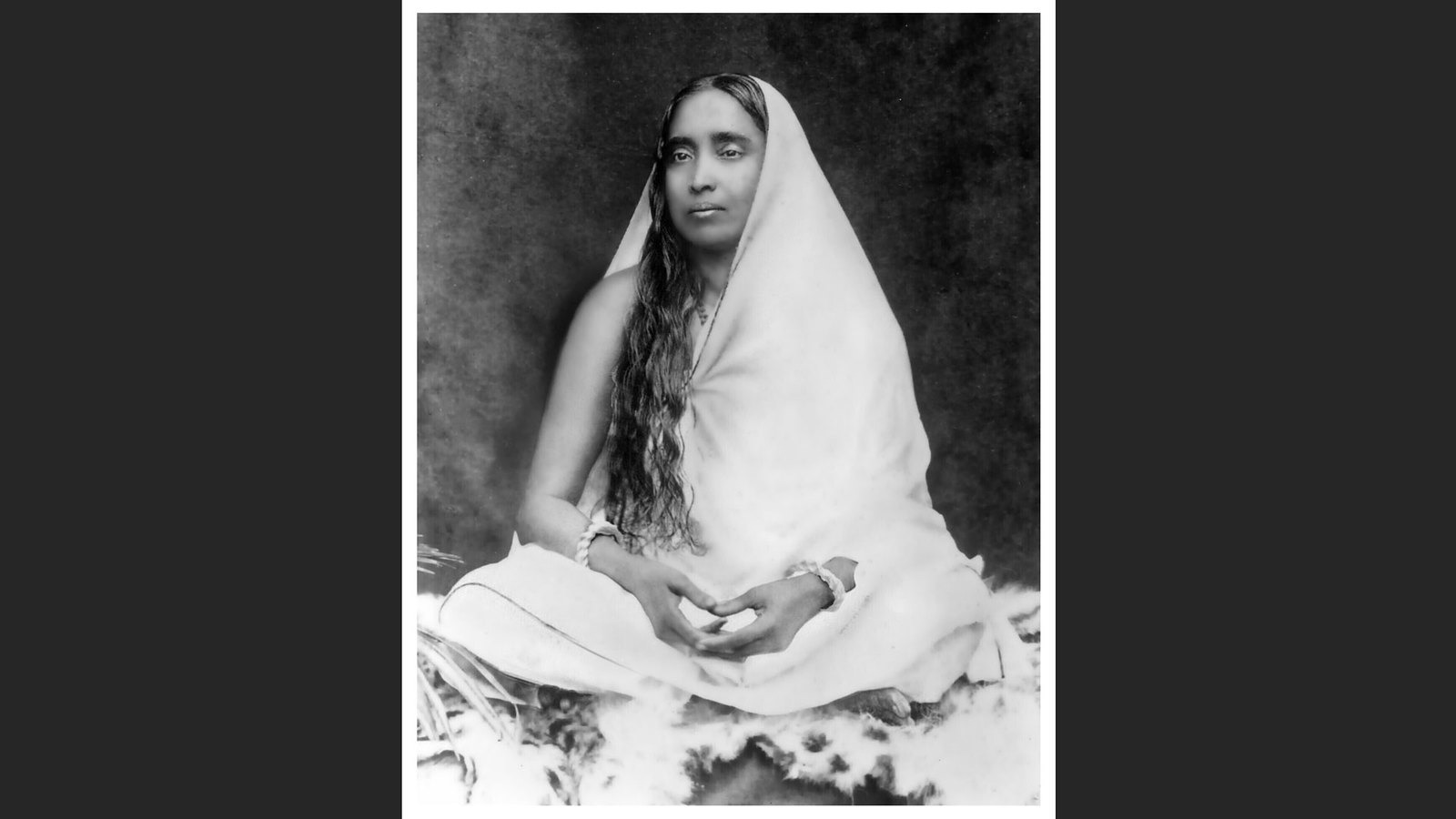
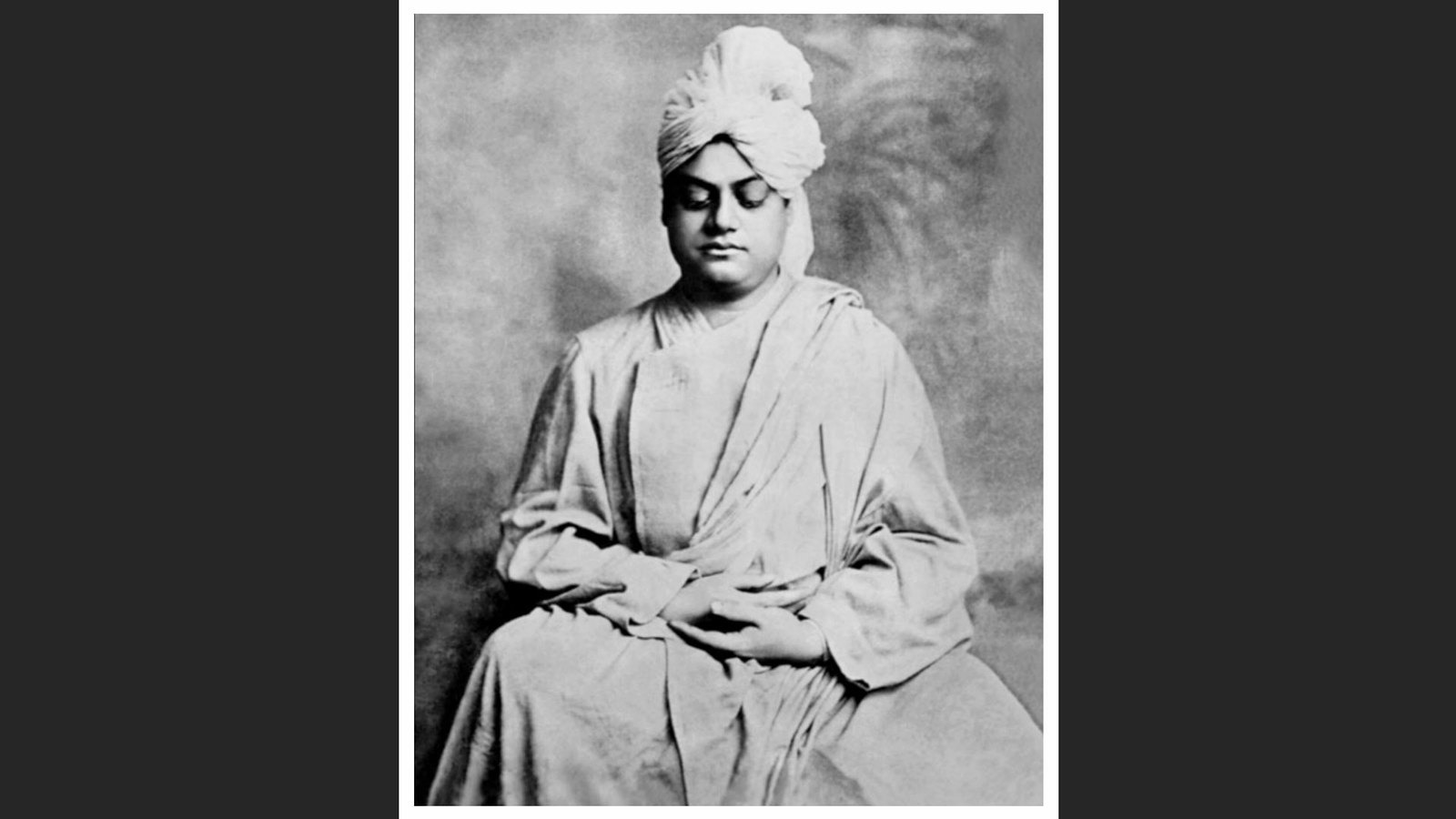
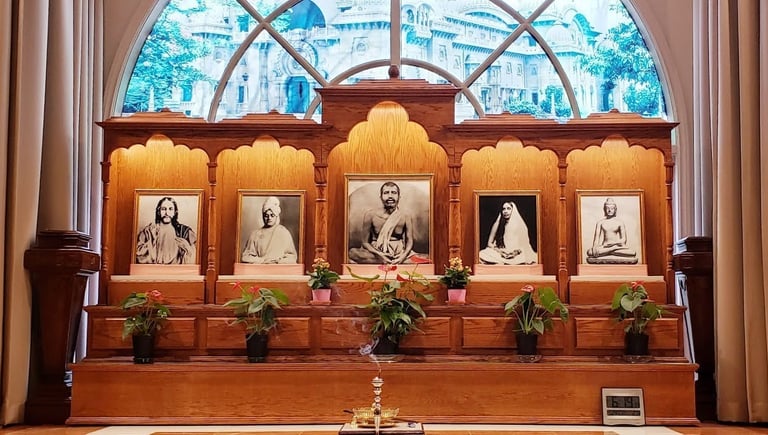
Vedanta Society of Toronto is primarily dedicated to the spiritual development and social service. The Society is a branch center under the spiritual leadership of the Ramakrishna Order of India.
a
Uddhava Gita
5th, 19th Jun at 7:30 PM
Sunday Lectures
11:00 AM EST


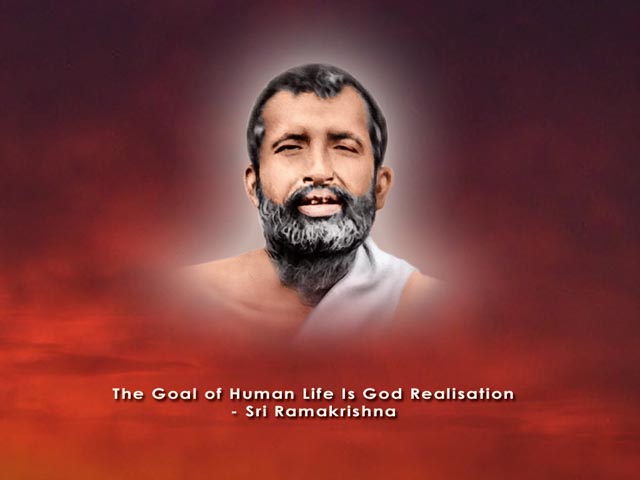
Gospel of Sri Ramakrishna
12th, 26th Jun at 7:30 PM
Membership
Become a part of and participate in the different activities of Vedanta Society.
Vidyamandir
Our Cultural education initiative for the young minds and childrens of the Vedanta Society.
"The Mind will always attach itself to something or other. Lose yourself in Love; be drunk in Love. Forget 'I' and 'Mine' by being absorbed in love. When the narrow little 'I' goes, the Real will manifest itself and you will know Bliss."


-- Swami Premananda
Subscribe to our newsletter
Sign up with your email address to receive our monthly bulletin.
Copyright © 2023 By Vedanta Society of Toronto. All Rights Reserved.
Follow Us:
Regular Services:
Morning Meditation: 06:00 AM - 07:00 AM
Evening Prayer: 06:00 PM - 07:00 PM
Sunday Service: 11:00 AM - 12:00 PM
Vedanta Classes: Wednesday & Friday from 07:30 PM - 08:30 PM
VIGIL: Every month from 06:00 AM till 06:00 PM on a designated Saturday.
Sri Ram Naam Sankirtan: Every month 5:00 PM - 6:00 PM on a designated Sunday.